

What Happens at Residential Alcohol Treatment Centers?
Alcohol addiction can affect all sorts of people, impacting physical health, mental wellbeing, relationships, and independence. For people who need more structured support, alcohol residential treatment centres offer a safe and focused environment where recovery can begin with the right level of care and guidance.
A residential treatment centre provides round-the-clock support for people experiencing alcohol dependency addiction. Away from everyday pressures and triggers, residents are given the time and space to stabilise, reflect, and work through the challenges of addiction with professional help. All residential treatment centres provide a safe and supportive environment for individuals to focus on their recovery. Residential alcohol treatment centers take a whole-person approach, combining medical care, therapeutic support, and wellbeing-focused activities to support long-term recovery. These centers provide comprehensive treatment, involving a multidisciplinary team of addiction experts who collaborate to create a tailored care plan that addresses all aspects of addiction.
Understanding Addiction
Addiction is a complex condition that affects both physical health and mental wellbeing. Alcohol dependency tends to develop gradually, often beginning as a coping mechanism before becoming something that feels difficult to control. Alcohol addiction in particular can affect brain chemistry, decision-making, and emotional regulation. Many individuals experience changes in mood, memory, and behaviour, alongside physical dependence. Alcoholism is the clinical term for severe alcohol addiction, and recognising its symptoms is crucial in determining when to seek help. For some, alcohol misuse may also be linked to underlying mental health conditions such as anxiety, depression, or trauma, which require careful, coordinated treatment.
Effective recovery begins with understanding that addiction is not a personal failure but a health condition that benefits from structured care. Alcohol residential treatment centres and residential drug and alcohol treatment centers are designed to address the physical, emotional, and psychological aspects of addiction together. A therapist plays a key role in conducting assessments and supporting individuals throughout the recovery process. By recognising the complexity of addiction and seeking specialist support, individuals can take the first meaningful step towards recovery and a more stable, healthier life.

Benefits of Residential Treatment
Residential treatment provides a structured and supportive environment that allows individuals to focus fully on their recovery. For people affected by alcohol dependency, or alcohol related brain damage (ARBD), stepping away from everyday pressures and triggers can be an important part of the healing process. Alcohol residential treatment centres offer a calm, secure setting where recovery can begin with stability and reassurance. One of the key benefits of residential care is access to 24-hour professional support. Trained staff are available at all times to manage physical health needs, emotional wellbeing, and withdrawal symptoms where appropriate. This level of continuous care is particularly valuable for individuals with complex needs, long-term dependency, or co-occurring mental health conditions.
Many residential alcohol treatment centers also provide a wide range of therapies tailored to individual needs. These may include evidence-based treatments, group support, and holistic approaches that promote emotional resilience and personal development. By combining structure, therapeutic support, and a focus on overall wellbeing, residential treatment can significantly improve the chances of sustained recovery and long-term independence.
What to Look for in a Treatment Center
Choosing the right rehab centre is an important decision and can have a significant impact on recovery outcomes. When researching alcohol residential treatment centres, it’s essential to look beyond location alone and consider the quality and range of care provided. A reputable rehab centre should offer a safe, well-structured environment supported by trained and experienced professionals. The initial treatment service is crucial, as it helps assess individual needs and determine the most appropriate support or treatment options.
One of the most important factors to consider is the range of treatment options available. Many residential drug and alcohol treatment centers provide medically supported detox, inpatient treatment programmes, and access to ongoing therapeutic support. Many rehab centres offer a varied range of treatment options, including private rehab for those seeking confidentiality and exclusivity. Centres should be transparent about their approach, clearly explaining how care is delivered and how individual needs are assessed and supported throughout the stay.
Personalised care is also key. Addiction affects everyone differently, so effective treatment centres create tailored care plans that address physical health, mental wellbeing, and emotional recovery. The cost of rehab can vary depending on the intensity of support needed and the location of the rehab centre. Taking the time to research staff expertise, treatment methods, and aftercare support can help individuals and families feel confident that they are choosing a centre equipped to support long-term recovery and stability.
Holistic Treatments to Recover from Alcohol Dependency
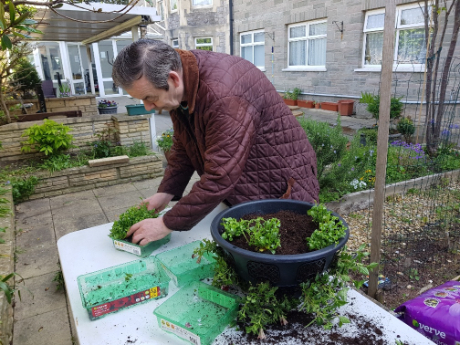
Holistic treatments play an important role within many alcohol residential treatment centres, supporting recovery by addressing more than just physical dependence. These approaches focus on emotional wellbeing, mental health, and personal development, helping individuals build a healthier relationship with themselves alongside their recovery from addiction.
In residential alcohol treatment centers, holistic therapies are often used alongside evidence-based treatments to create a balanced care programme. Activities such as mindfulness, meditation, gentle movement, creative therapies, and relaxation techniques can help reduce stress, improve emotional regulation, and encourage self-reflection. Other therapies, including DBT (Dialectical Behavior Therapy), transactional analysis, and mindfulness, are also integrated to provide a comprehensive, multi-modal approach to recovery. Holistic approaches in rehab programs may include activities such as yoga, meditation, and acupuncture to support overall well-being during recovery. For many individuals, these therapies provide valuable tools for managing cravings and maintaining emotional stability.
By incorporating holistic treatments into a wider treatment plan, individuals are supported to develop coping strategies that extend beyond residential care. This whole-person approach can strengthen confidence, promote long-term wellbeing, and support sustained recovery, making holistic therapies a valuable part of residential addiction treatment.

Mental Health and Addiction
Mental health and addiction are closely connected, and many people seeking treatment experience both at the same time. Conditions such as anxiety, depression, trauma, or stress-related disorders can increase the risk of alcohol or drug dependency, while long-term substance use can also worsen mental health symptoms. Effective recovery requires both areas to be addressed together. Within alcohol residential treatment centres, care teams are trained to recognise and support co-occurring mental health conditions alongside addiction. Treatment programmes often combine therapeutic support, emotional wellbeing strategies, and, where appropriate, clinical input to help individuals better understand the relationship between their mental health and substance use. Addressing the root causes of addiction is essential for achieving lasting recovery, as it helps individuals identify and work through the underlying issues that contribute to substance use.
Residential alcohol treatment centers adopt an integrated approach, ensuring that mental health support is not treated as an afterthought. By addressing emotional wellbeing alongside addiction recovery, individuals are better equipped to manage triggers, build resilience, and maintain long-term stability beyond residential care. Evidence-based therapies, including cognitive behavioural therapy (CBT), are commonly used in rehab programs to help individuals address the underlying triggers and root causes of their addiction.
Inpatient Treatment
Inpatient treatment provides a high level of care and supervision for individuals who need intensive support during their recovery. Within alcohol residential treatment centres, inpatient programmes allow individuals to live on-site while receiving structured treatment, therapeutic support, and round-the-clock care in a safe and stable environment. Medically assisted detox is available as part of inpatient care, with medical professionals overseeing the detoxification process and managing withdrawal symptoms to ensure safety and comfort. All residential treatment centres provide a safe and supportive environment for individuals to focus on their recovery.
This type of treatment is often recommended for people with severe alcohol dependency, a history of relapse, or co-occurring mental or physical health conditions. With 24-hour access to trained staff, inpatient treatment reduces exposure to triggers and allows care teams to respond promptly to withdrawal symptoms or emotional challenges as they arise. By offering consistency, structure, and close professional support, inpatient treatment helps individuals focus fully on their recovery and lays the groundwork for long-term stability and sustained recovery.
Personalised Care for Addiction Recovery
Personalised care is a central part of effective addiction recovery, as no two individuals experience addiction in the same way. Within alcohol residential treatment centres, care plans are tailored to reflect each person’s physical health, mental wellbeing, personal history, and recovery goals. Treatment plans are developed to meet the unique needs of clients, ensuring that each client receives the most appropriate support for their situation. Following a detailed assessment, individuals receive a structured treatment plan that may include therapeutic support, medical care, and wellbeing-focused activities. Alcohol treatment centers adjust care plans over time, responding to progress, challenges, and changing needs throughout the recovery journey.
By prioritising personalised care, treatment centres can provide meaningful, consistent support that promotes long-term recovery. Individualised treatment helps people build confidence, develop coping strategies, and work towards a more stable, healthier future beyond residential care. Costs for addiction treatment can reflect the specific needs of the individual, including the type of treatment and duration.
Getting Help
Getting help for alcohol addiction can feel like a daunting step, but it is often the most important part of the recovery journey. Reaching out to alcohol residential treatment centres allows individuals and families to access professional support, guidance, and reassurance at a time when it is most needed. For more information about pricing, treatment options, or to begin the initial assessment process, contact the treatment centre directly to speak with a professional. Alcohol treatment centers offer an initial assessment to understand an individual’s needs and recommend the most appropriate level of care. This process helps ensure that treatment is safe, supportive, and tailored to personal circumstances. Families and carers are often involved where appropriate, helping to create a strong network of support around the individual entering treatment.
Seeking help is not a sign of weakness, but a positive step towards improved health and wellbeing. With the right support in place, individuals can begin their recovery journey in a safe, structured environment, supported by professionals who understand the challenges of addiction and the importance of compassionate, personalised care.
Steps Back to Independence
The next steps in addiction recovery involve committing to a structured treatment plan and engaging with ongoing support. Once an individual has entered an alcohol residential treatment centre, the focus shifts to building consistency, developing coping strategies, and working steadily towards long-term recovery. During and after treatment, continued support plays an important role in maintaining progress. Many residential drug and alcohol treatment centers help individuals plan for life beyond residential care, including access to ongoing therapy, support groups, and community-based services. It is important to stay connected to therapy, support groups, and alumni events, as ongoing engagement can help individuals maintain their recovery and avoid relapse. Staying connected to professional support and trusted family members can help reduce the risk of relapse and strengthen recovery outcomes.
By taking the next steps with guidance from experienced professionals, individuals can move forward with greater confidence. Recovery is a gradual process, but with commitment, structure, and the right support, it is possible to build a healthier, more stable future. Some rehab centers provide aftercare support for up to 12 months after treatment completion.
Moving Forward with the Right Support at Vane Hill Care Home
Recovery from alcohol addiction is a journey that requires patience, understanding, and the right level of professional care. Residential treatment offers individuals the opportunity to step away from daily pressures, focus on their wellbeing, and begin rebuilding their health in a safe and supportive environment. With structured care, personalised treatment, and ongoing guidance, lasting recovery is achievable.
Choosing the right setting is an important part of this process. At Vane Hill Care Home in Torquay, we understand the complex challenges associated with alcohol dependency and related needs. Our team is committed to providing compassionate, person-centred support in a calm and respectful environment, helping individuals regain stability, confidence, and independence at their own pace.
If you or a loved one would like to learn more about residential care options or discuss whether specialist support may be appropriate, our team at Vane Hill Care Home is here to help. Please get in touch to speak confidentially with our experienced staff and take the next step towards a healthier, more supported future.